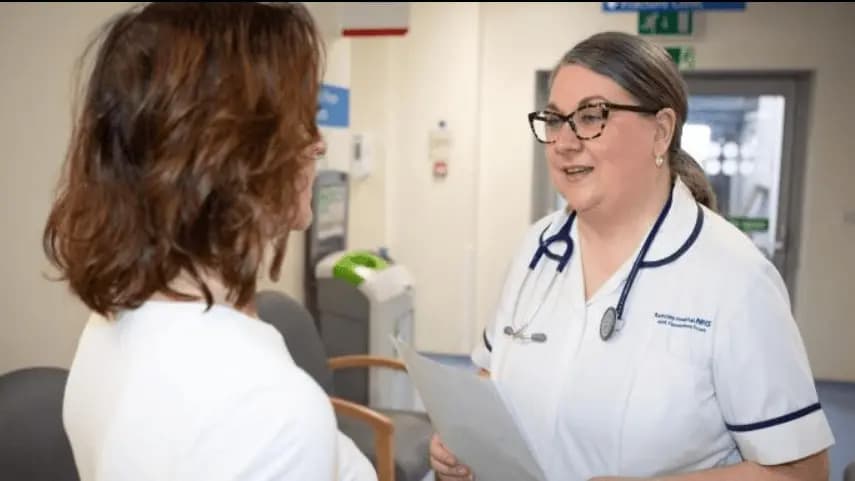
How to Register with the NHS as an International Student in the UK (2026 Guide)
International students on a UK visa of 6+ months who have paid the Immigration Health Surcharge (IHS) are entitled to free NHS care. You still need to manually register with a local GP surgery — paying the IHS does not do this automatically. This guide shows you exactly how.
What Is the NHS and Who Can Use It?
The National Health Service (NHS) is the UK's publicly funded healthcare system, providing free-at-the-point-of-use medical care to anyone ordinarily resident in the UK — including international students.
As an international student, once you register with a GP (General Practitioner), you access the same healthcare as any UK citizen: GP appointments, hospital referrals, mental health services, diagnostic tests, and emergency care.
Are You Eligible for Free NHS Treatment?
You are eligible for free NHS treatment if you meet all three of the following criteria:
You hold a valid UK student visa for a course lasting 6 months or more
You have paid the Immigration Health Surcharge (IHS) — currently £776 per year
You are ordinarily resident in the UK for the duration of your studies
What about short-course students (under 6 months)?
Students on courses shorter than 6 months may still access some NHS services, but full coverage depends on your visa type and country of origin. EU/EEA students should carry a valid European Health Insurance Card (EHIC) or the UK's Global Health Insurance Card (GHIC) where applicable.
Does paying the IHS automatically register me?
No. Paying the IHS confirms your financial entitlement to NHS care, but you must still manually register with a GP surgery near your UK address before you can access services.
How to Register with the NHS: Step-by-Step
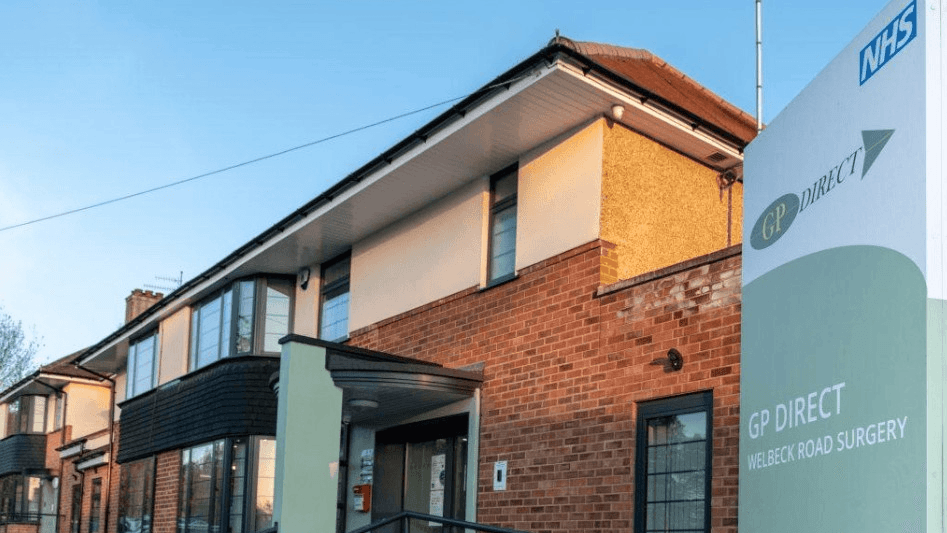
A GP (General Practitioner) is your primary point of contact for all NHS healthcare. To find one:
Enter your university accommodation postcode or home address
Filter results by distance
Check whether each surgery is currently accepting new patients
Look for practices close to your campus — many universities have a dedicated student health centre registered with the NHS
Pro tip: Register with a GP the week you arrive — even if you're in good health. Surgeries can take several days to process new applications, and you do not want to be searching for one when you are unwell.
Step 2: Confirm the Surgery Accepts International Students
Not all GP practices accept international students. Before travelling in person, call the surgery or check their website. Ask directly:
"Do you accept international students?"
"Are you currently taking new patients?"
Your university's Student Services or Student Welfare team can usually recommend a student-friendly practice nearby.
Step 3: Gather Your Documents
Bring the following when you go to register:
Document Purpose
Valid passport Proof of identity
BRP (Biometric Residence Permit) Confirms visa status and IHS eligibility
Proof of UK address Utility bill, tenancy agreement, or university letter
University enrolment letter Confirms your active student status
Previous medical records (optional) Helpful for continuity of care
Note: You do not need to bring proof of IHS payment — your visa status already confirms this. If your BRP has not yet arrived, a visa vignette in your passport is usually accepted as a temporary substitute.
Step 4: Complete the NHS Registration Form (GMS1)
At the surgery, you will be asked to complete an NHS registration form known as the GMS1. This covers:
Personal and contact details
Brief medical history summary
Emergency contact information
Step 5: Receive Your NHS Number
Registration typically takes 24–72 hours to process. Once confirmed, you will be issued a unique 10-digit NHS number — keep it safe. You will need it for every NHS interaction, including hospital appointments and prescriptions.
Registering via Your University Health Centre
Most UK universities operate an on-campus NHS-registered health centre specifically designed for students. This is often the fastest and easiest route to NHS registration and is strongly recommended for new arrivals.
Key advantages:
Staff are fully familiar with international student visa and insurance requirements
Located directly on or near campus — no need to navigate an unfamiliar city
Registration is often handled online through your student welfare portal before or shortly after arrival
Shorter wait times during term compared to general community surgeries
Ask your university's international student office about registration on arrival day.
How to Use the NHS App
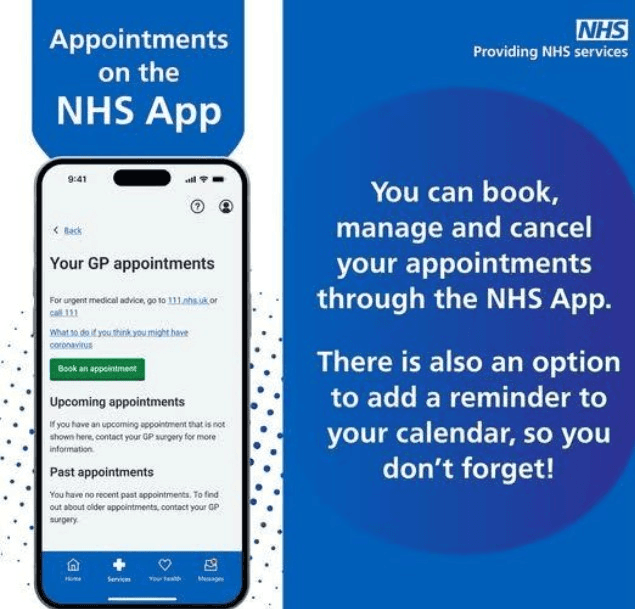
Once your physical GP registration is processed, the NHS App (available on iOS and Android) lets you manage your healthcare digitally.
Setting up the NHS App:
Download the NHS App from the App Store or Google Play
Create an account using your primary email address
Verify your identity by uploading a clear photo of your passport or driving licence
Link your GP surgery — once your registration is confirmed by the surgery, your profile will connect automatically
What you can do in the app:
Book and manage GP appointments
View your medical records and test results
Order repeat prescriptions
Access your NHS number at any time
Get health advice and symptom guidance
What Does the NHS Cover for International Students?
Once registered, you have access to a comprehensive range of services.

Free services (no charge)
GP consultations and specialist referrals
Hospital treatment and planned surgery
Accident & Emergency (A&E) care
Mental health services and talking therapies
Most diagnostic tests (blood tests, X-rays, MRI and CT scans)
Maternity care
Charges that apply in England
Service Cost
Prescription charge (per item) £9.90 (frozen as of 2026)
NHS dental check-up (Band 1) £27.90
Eye test £20–£30 approximately
Important: Prescriptions are entirely free if you study in Scotland, Wales, or Northern Ireland.
How to reduce costs
Students under 19 in full-time education receive free prescriptions in England
Low-income students can apply for the NHS Low Income Scheme (HC1 form) to get help with dental, optical, and prescription costs
A Prepayment Certificate (PPC) costs around £32 for 3 months and covers unlimited prescriptions — worth it if you take regular medication
Accessing Mental Health Support

Adjusting to life in a new country is genuinely challenging. The NHS offers several routes to mental health support:
GP referral: Your GP can refer you to local mental health teams, a counsellor, or an NHS therapist. This is the most common route for structured, ongoing support.
IAPT (Talking Therapies): Free talking therapies including CBT (cognitive behavioural therapy) are available without a GP referral. Self-refer directly at nhs.uk/mental-health/talking-therapies.
University counselling services: Most UK universities provide free counselling sessions to enrolled students, separate from the NHS. Check your university's student wellbeing page.
Crisis support: If you are in immediate mental health distress, call NHS 111 and press option 2 (mental health), or go to your nearest A&E department.
NHS 111: Free 24/7 Medical Advice {#nhs-111}
NHS 111 is a free, 24-hour helpline staffed by trained medical advisers. It is the right first call when:
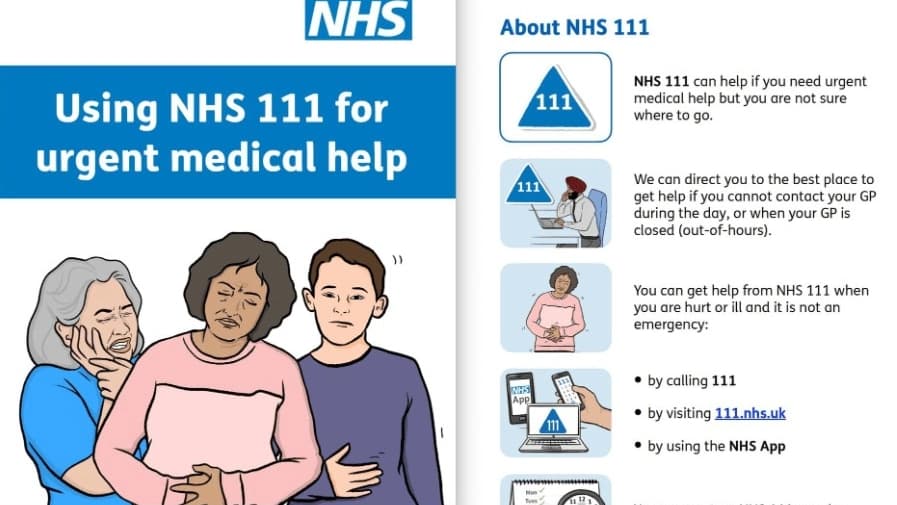
You need urgent medical help but it is not a life-threatening emergency
You need medical advice outside standard GP opening hours (evenings, weekends, bank holidays)
You are unsure whether your condition needs in-person treatment
Call 999 (not 111) for genuine life-threatening emergencies such as suspected heart attacks, strokes, severe breathing difficulty, or serious injury.
You can also access NHS 111 online at 111.nhs.uk for symptom checking and advice.
Common Mistakes International Students Make
Waiting until they're ill to register.
GP surgeries can take several days to process applications. Aim to register within your first week of arriving in the UK.
Assuming the IHS automatically registers them.
The IHS payment grants your entitlement to NHS care — it does not register you. You must still visit or contact a GP surgery directly.
Registering at a temporary address.
You must register with a GP covering your actual UK residential postcode. A temporary holiday address will cause your registration to be declined or later invalidated.
Not updating their GP after moving.
If you move to a new address outside your GP's designated catchment area, you are required to re-register with a new surgery. Notify your GP promptly when your address changes.
Overlooking university mental health services.
Most students focus on finding a GP but miss the separate (and faster) counselling services run by their university's student wellbeing team.
Your NHS Registration Checklist
Use this checklist to ensure you complete every step:
Pay the Immigration Health Surcharge as part of your visa application
Arrive in the UK and collect your BRP card from the designated post office
Find a local GP surgery at nhs.uk or ask your university's Student Services team
Confirm the surgery accepts international students and new patients
Visit the surgery (or use their online portal) with your passport, BRP, and proof of address
Complete the GMS1 registration form
Wait 24–72 hours and receive your 10-digit NHS number
Download the NHS App and link it to your registered surgery
Register separately with your university's student wellbeing or counselling service